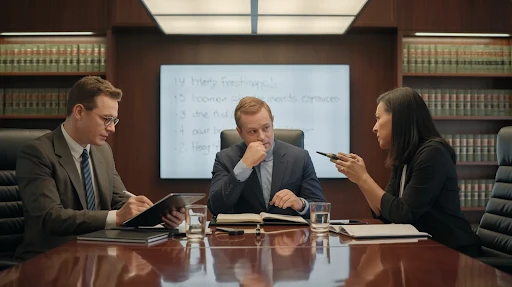
Witness preparation consultants are usually brought in when the legal team knows a witness may struggle once the room gets formal. That does not mean the witness is weak. It means testimony is unnatural.
A person may know exactly what happened, or an expert may understand the technical issue perfectly, and still lose people through long answers, tense delivery, defensive tone, or language that feels too hard to follow.
That is the part that many cases underestimate. Decision-makers do not only hear testimony. They judge the person giving it.
How Witness Preparation Consultants Improve Testimony Without Scripting It
The job of witness preparation consultants is not to hand someone perfect lines. That would make the witness sound worse, not better.
The real work is much more practical. A consultant watches how the witness answers. Do they rush? Do they argue? Do they drift? Do they answer the question or the question they wish had been asked? Do they look unsure even when they know the answer?
Those small things matter because jurors notice them.
A prepared witness does not sound memorized. They sound steady. They know when to stop. They can explain a point without dragging the listener through every document in the file. They understand that clarity is not the same thing as saying less. It means saying what matters in a way people can actually absorb.
Credibility Can Break in Ordinary Moments
Witness credibility rarely collapses all at once.
It usually leaks out in small moments. A witness smirks because they are nervous. They interrupt because they feel cornered. They answer too quickly and then need to correct themselves. They turn every question into a fight. The substance may still be fine, but the delivery starts creating doubt.
This is why witness communication training has real value. It helps people notice habits they may not even know they have.
If a case also uses visuals from a courtroom animation company, the witness needs another layer of comfort. They cannot stare at the screen as it belongs to someone else. They need to walk through the visual calmly, in their own words, and keep the explanation tied to the evidence. The animation may help the jury see the issue, but the witness still has to make the point feel trustworthy.
Injury Testimony Needs Details That Feel Real
In personal injury cases, the important testimony is often plain and ordinary.
A client may need to explain why stairs are harder now. Why sleep is broken. Why driving feels different. Why does work take longer? Why do they avoid certain movements? Why have family routines changed? These are not dramatic details, but they help a jury understand the actual effect of the injury.
The problem is that many witnesses either understate these changes or over-explain them.
Preparation helps them find the middle. Clear, specific, not exaggerated.
When the physical mechanism is hard to describe, personal injury animation services can support the testimony. For example, an animation may show how the body moved during an impact or why a certain injury pattern makes sense.
But the witness still needs to speak plainly about what followed. The visual explains the mechanics. The witness explains the human reality.
Medical Witnesses Need to Translate, Not Lecture
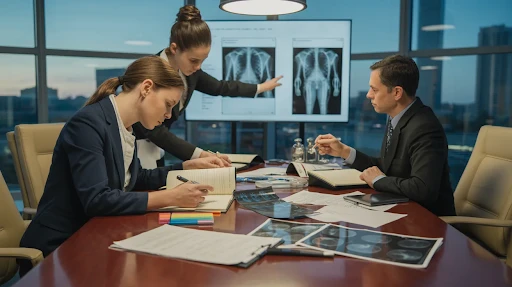
Medical testimony can become hard to follow very quickly.
Doctors, nurses, surgeons, and specialists are used to speaking in shorthand. That is normal inside healthcare. It is not always helpful in court. A jury may not understand the anatomy, the procedure, the timing issue, or why one missed step changed the outcome.
A medical witness needs to translate without dumbing anything down.
What was the patient’s condition?
What should have happened next?
What actually happened?
Why did the difference matter?
In a malpractice claim, medical malpractice animation services can help show a procedure, injury progression, or treatment sequence. Still, the visual should not become the whole explanation. The witness has to guide the jury through it slowly enough that the medical point lands.
If the witness sounds like they are rushing through a chart, people stop following.
Technical Witnesses Have to Teach the Sequence
Some testimony is difficult because the facts move.
Crash cases are a good example. A reconstruction expert may be asked to describe speed, braking, lane position, sight lines, response time, and the location of contact. When presented as a technical report, this information might overwhelm a jury.
A strong witness teaches the sequence.
First, this happened. Then this changed. Here is why timing mattered. Here is what the physical evidence supports. Here is what it does not support.
If the case uses accident reconstruction animation services, the witness should be prepared to walk through the animation in steps. The animation can show movement, but the witness explains the reasoning. That distinction is important. The jury should understand not only what they are seeing, but why it is reliable.
Frequently Asked Questions
What Do Witness Preparation Consultants Do?
Witness preparation specialists assist fact and expert witnesses improve their communication skills during depositions and trials. They focus on clarity, delivery, confidence, cross-examination techniques, and how testimony fits into the overall case story.
Is Witness Preparation the Same as Coaching a Witness?
No. Proper witness preparation does not result in misleading responses or prepared testimony. It enables witnesses to properly explain honest material and prevent errors caused by pressure, misunderstanding, or poor delivery.
Why Do Expert Witnesses Need Preparation?
Expert witnesses frequently have extensive knowledge in their topic, but this does not always imply that they can explain it to non-specialists. Preparation allows them to eliminate jargon, stay focused, and properly communicate the important message.
How Does Cross-Examination Practice Help?
It helps witnesses remain calm, listen carefully, avoid speculating, and respond only to what is asked. It also prepares students to face frequent, narrow, or harsh questioning.
Can Visuals Help Witness Testimony?
Yes. Visuals can assist clarify timings, injuries, procedures, or accident sequences, but the witness must still take the audience through the information in straightforward language.
Final Words
Witness preparation consultants assist witnesses in speaking with greater clarity, control, and credibility while under pressure. Their work does not involve rehearsed testimony or polished performance.
It is about assisting fact and expert witnesses to understand their roles, speak in straightforward language, remain calm throughout cross-examination, and clarify complex subjects without losing the audience. A prepared witness doesn’t sound flawless. They sound credible.
Related Articles: