
Personal injury cases are often packed with facts but still hard to present cleanly. One part of the story sits in the accident record. Another sits in the medical file. Then you have imaging, treatment notes, lost-time claims, pain complaints, and expert opinions pulling the case in different directions. Our personal injury animations bring those pieces together, so the injury, the event, and the damage are easier to show from the start.
A personal injury case usually asks the room to track two things at once. How the incident happened. What it did to the client after that. A strong personal injury animation has to handle both without turning the presentation into a lecture.
That is where our team tends to help most. We build visuals that stay close to the record and give lawyers something cleaner to work with in mediation, deposition, and trial.

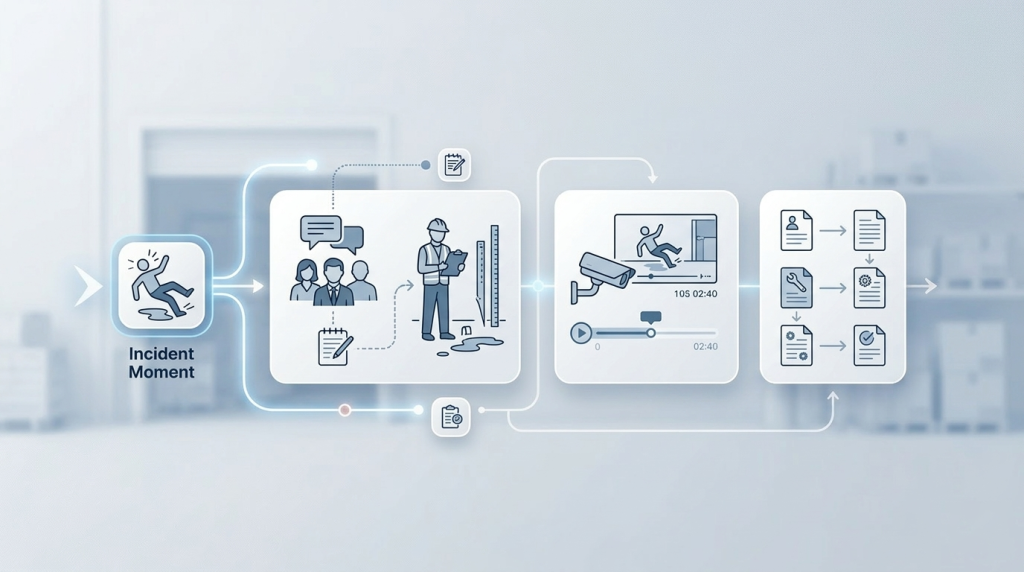
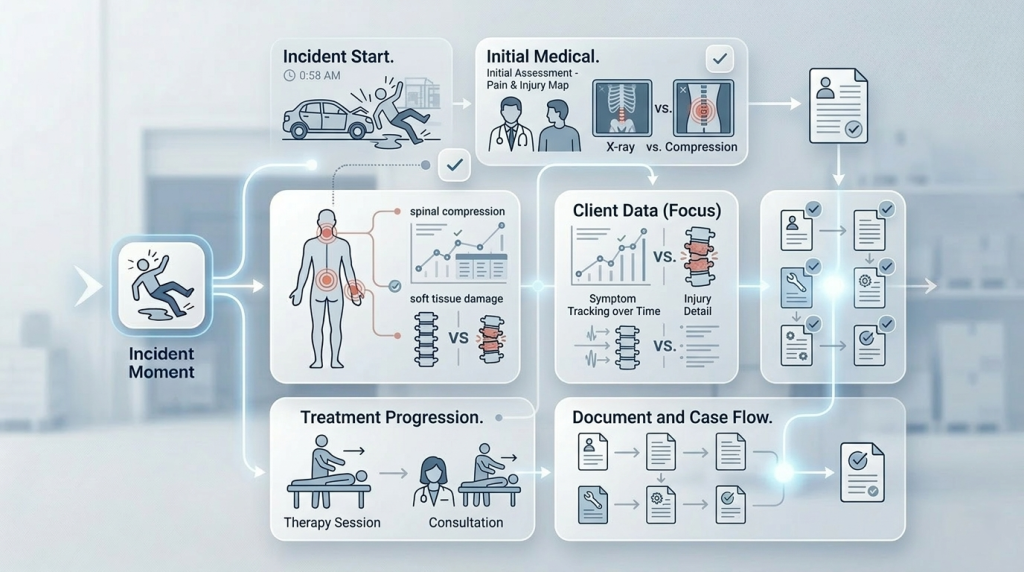
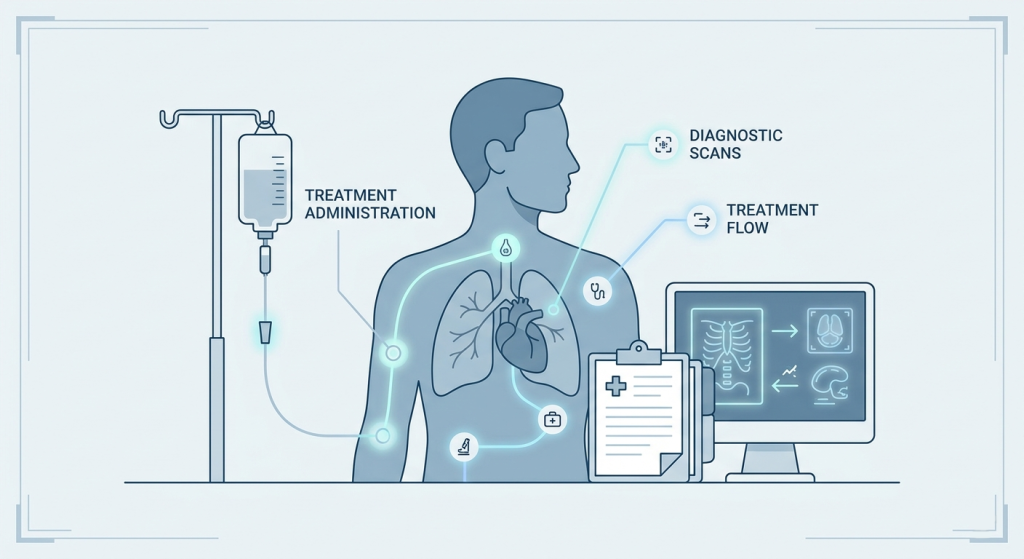
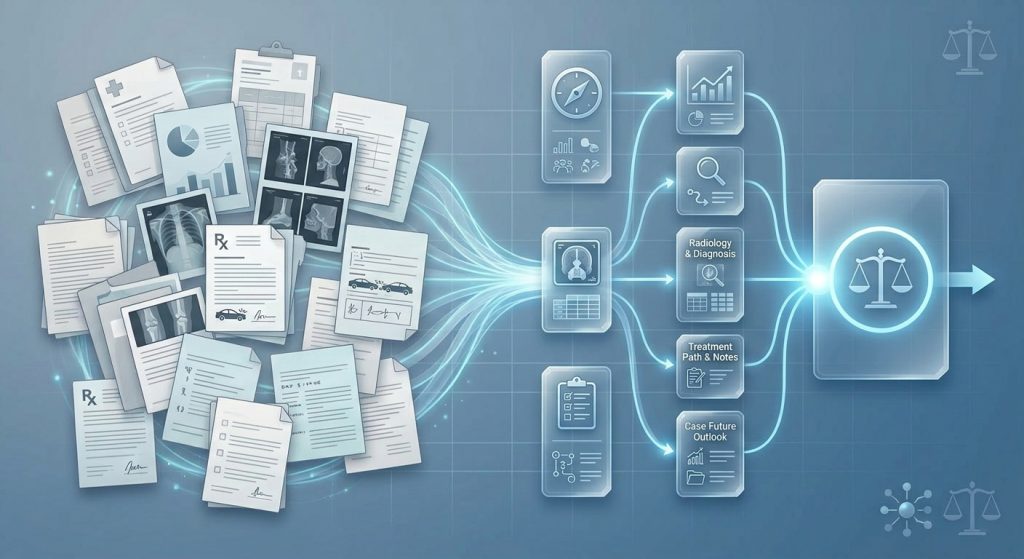
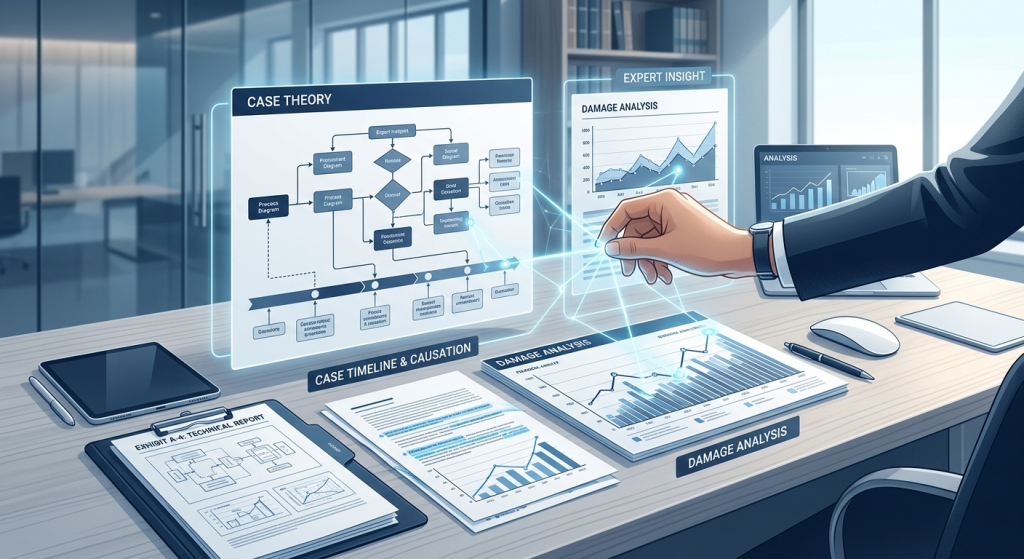
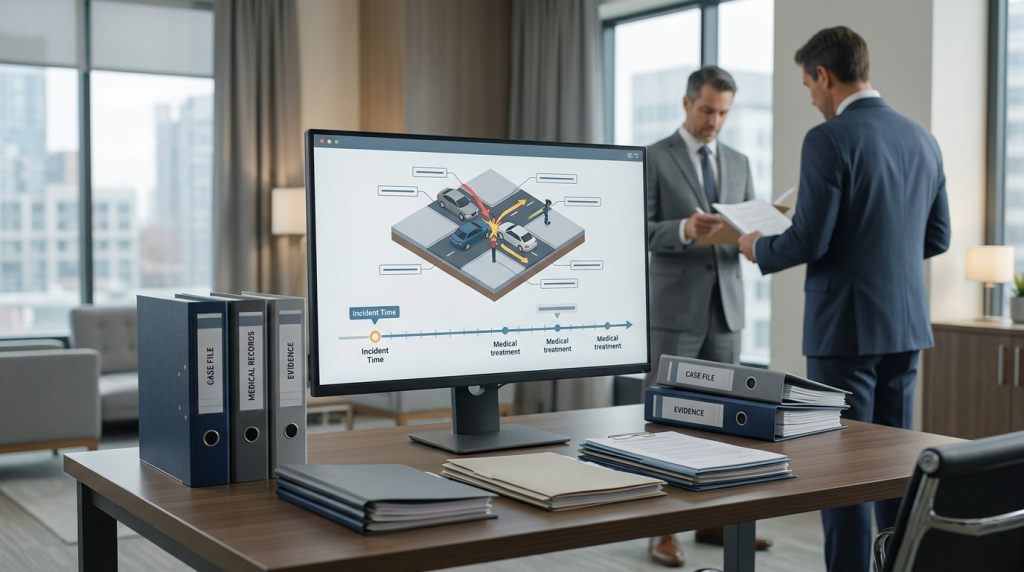
Personal injury claims can lose force when the record gets too crowded. Incident reports, scans, surgery notes, treatment history, wage loss documents, and competing narratives all start stacking up. That is where a well-built injury animation helps.
It gives the case a clearer line. This is also where our studio adds value in a practical way, turning a thick file into visuals that help the core point come through without overplaying it.


Collaborating with Legal Animation was truly worthwhile. They grasped the complexities of our legal ideas and turned them into straightforward, polished animations that enhanced the engagement of our case presentations. Their focus on specifics and understanding of legal communication was evident from the beginning.
The team’s skill in depicting intricate legal processes exceeded my expectations. They invested time to understand exactly what I needed, and the finished animation enabled me to clarify a complex issue to a client effortlessly. It’s uncommon to encounter creatives who truly get legal terminology, and they do.
We created a set of legal educational videos for internal training, and the outcomes were excellent. The animations were expertly done, precise, and exceptionally well-timed. What I valued most was the team’s responsiveness and patience during the entire process. Strongly endorsed.
Legal Animation offered a new viewpoint on the presentation of our legal arguments. Their visuals provided clarity and credibility to our materials that words alone could not. The team was engaging and was truly committed to the success of our project.
I utilized Legal Animation’s animation services for a legal education program, and my students provided overwhelmingly positive feedback. The videos clarified complex subjects while maintaining precision. They clearly take pride in their work and have an exceptional understanding of the legal sector.
Let Us Help You Seek & Illustrate The Truth
+800-385-0449
21255 Burbank Blvd, Woodland Hills, CA 91367
Mon-Fri 09:00AM - 05:00PM