In a difficult trial, a jury consultant does not alter the evidence. What changes is how well those truths are grasped. That matters more than many legal teams would want to admit.
Strong evidence can nonetheless fall flat if the case is unorganized, the themes are muddled, or the jury doesn’t understand why a technical issue is important to them. In high-stakes litigation, the difference between having a case and communicating it may be costly.
That is where jury work starts becoming practical instead of theoretical.
Good Cases Still Lose People
Lawyers know this feeling. The record is deep. The experts are qualified. The briefs are strong. Then the hearing, mock presentation, or trial run starts, and the problem shows up almost immediately. The explanation makes sense to the people who have lived with the file for a year, but not to someone hearing it cold.
That is usually not a law problem. It is a communication problem.
A jury consultant helps the trial team figure out where the message is getting lost. Sometimes the issue is structure. Sometimes the language is too dense. Sometimes the case has ten good points and no clear center. The legal team has the facts, but the jurors are still trying to figure out what occurred, why they should care, and whose side seems more credible.
That is why theme development matters so much in serious cases. Jurors rarely remember everything. They remember the parts that fit together. A weak theme leaves them with fragments. A strong one gives them a story they can actually carry into deliberations.
Jury Work Is Not Just About Picking the Right Panel
A lot of people hear the phrase and think the job starts and ends with jury selection. That is too narrow.
The better consultants are involved much earlier, often when the legal team is still trying to shape its trial strategy. They consider how the argument is likely to be heard by ordinary citizens rather than attorneys, physicians, engineers, or business executives.
That outside perspective is useful since trial teams might become overly focused on their own language. What sounds clear in a conference room can sound abstract in front of a panel.
This is where jury research becomes useful. Not as a gimmick. As a way to test whether the case is landing the way the lawyers think it is landing.
Focus groups, mock trials, community reaction testing, and other controlled activities can be used to demonstrate where the story links and breaks down. When done correctly, this task does not dilute the legal argument. It sharpens it.
The Best Jury Consultants Help Build a Case Story
That is the real value in many of these matters.
A consultant is not there to replace trial counsel. They are there to show what the audience is actually hearing. Those are not always the same thing. A legal team may think it is presenting a clean liability story, while the audience is stuck on a witness they did not trust, a timeline they could not follow, or an issue the lawyers assumed was obvious but was not.
This is one reason visuals become important in complex litigation. A courtroom animation company can help the legal team turn dense facts into something jurors can picture. In the right case, that may mean clarifying movement, sequence, timing, anatomy, or process. The point is not flash. It is orientation.
Jurors do better when they can see what the witnesses are talking about.
That matters in commercial cases, product cases, catastrophic injury files, and especially cases built on technical testimony. If the audience is confused, they start leaning on instinct and personality instead of evidence. That is a bad trade for any side with a complicated record.
Voir Dire Is About More Than Asking Questions
A lot of legal writing treats voir dire as if it were only a screening exercise. In practice, it is one of the first big tests of whether the team understands the people in the box.
Good voir dire and jury selection work is not about tossing out generic questions and hoping bias shows itself. It is about asking the kind of questions that reveal attitudes, habits of thinking, and reactions that could shape how jurors process the case.
Some people are skeptical of claims involving pain without visible injury. Some are suspicious of corporations. Some trust physicians almost automatically. Some distrust them. Those instincts matter.
That is where juror profiles become useful. Not as stereotypes, but as working models built from feedback, background patterns, and audience testing. The legal team still has to use judgment. But it is better to make those calls with an informed perspective than with vague guesswork.
In some trials, juror social media search and analysis also becomes part of that process, especially where the court allows time and the panel information is available early enough to make it worthwhile. The point is not snooping for drama. It is understanding whether a juror’s worldview is likely to affect how they hear the case.
Witnesses Often Decide Whether the Story Feels Trustworthy
There are cases where the facts are strong, and the witness still hurts the presentation.
That happens more than lawyers like to say out loud.
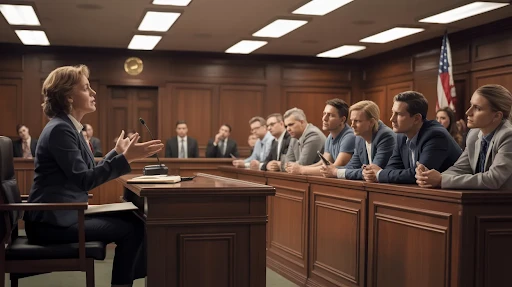
Some witnesses know too much and respond as if they were presenting a graduate course. Others are well-versed in their area yet become stiff, defensive, or evasive when under pressure. Jurors notice that fast. Once they stop trusting the messenger, they start rethinking the message too.
That is why witness preparation matters, and why smart teams take witness communication training seriously. This is not about scripting people into sounding fake. It is about helping them explain difficult material in plain language, hold their ground under pressure, and stop making the jury work so hard to follow them.
This becomes even more important when visual support is involved. If a witness is walking the jury through demonstrative evidence, the explanation and the visual need to work together. If one outruns the other, the presentation starts feeling awkward or overbuilt.
Technical Cases Need More Than Verbal Clarity
Some disputes are hard because the facts are emotionally charged. Others are hard because they are mechanically or medically dense.
In a serious injury case, for example, the legal team may use personal injury animation services to help jurors understand body movement, force, and injury sequence.
In a treatment-related case, medical malpractice animation services may help explain where the claimed clinical failure happened and why it mattered.
In a transportation case, accident reconstruction animation services can make a sequence easier to follow when timing, angle, and roadway movement are central to liability.
This is where legal animation fits naturally into jury work. The visual does not replace the argument. It supports comprehension.
A consultant looking at a case presentation will often notice the same issue that jurors notice. The lawyers know the facts, but the audience cannot picture them. Once that happens, even a strong point may fail to register. A restrained visual can fix that. Not because it is dramatic, but because it gives shape to something that would otherwise stay abstract.
Case Presentation Keeps Changing Through Trial
This is another reason jury consulting matters. Case communication is not fixed the moment openings begin.
Teams often learn things during a trial. A witness lands better than expected. A phrase from cross-examination sticks. A juror’s reaction suggests that part of the case is not connecting. This is where trial observation becomes useful. Outside eyes can spot what the team is too busy to notice in the moment.
That input can influence speed, witness order, emphasis, and even opening and closing development as the case progresses. A skilled consultant assists attorneys in determining what is effective, what is dragging, and what has to be streamlined before the jury loses interest.
That kind of adjustment is not cosmetic. It can change how the whole case is received.
When a Jury Consultant Should Be Brought Into the Case
Earlier than many teams think.
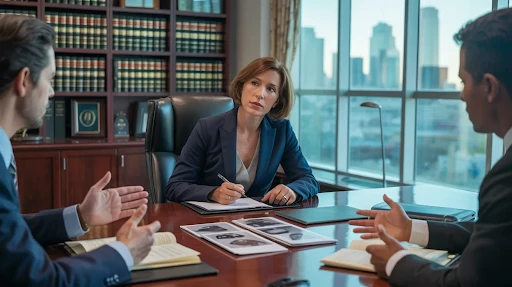
A lot of lawyers bring in a consultant when the trial is close, and the pressure is already up. That can still assist, but it overlooks some of the most effective applications of the work.
By that stage, the case theme may have been locked in, witness habits may have been established, and the team may have repeated particular framing decisions so many times that no one sees they are not landing.
The stronger use of a jury consultant usually starts before that.
Early case assessment matters because it gives the team room to test the story before it hardens. If a point feels obvious to counsel but confusing to everyone else, that is better discovered months before trial than during a mock session two weeks out.
The same goes for tone. Some cases sound too technical. Others sound too aggressive. Some sound flat even when the evidence is good. Those problems are easier to fix early.
This is also the stage where jury consulting services can help separate what lawyers think is important from what an actual audience is likely to care about. Those are not always the same thing.
Shadow Jury Work Is About Message Control
This is where live-trial support becomes valuable.
A shadow jury or mirror-jury method can provide the team with real-time input on how the case is being handled while there is still time to make changes. That is significant because, no matter how much preparation occurs beforehand, a trial always transforms once witnesses appear and jurors begin reacting to the real room.
Sometimes the opening lands exactly as planned. Sometimes it does not.
Sometimes, a witness the team worried about turns out fine, while a seemingly safe witness comes off stiff or overconfident. Sometimes, a technical exhibit that looked great in prep becomes harder to follow in court.
These changes are not always obvious from the counsel table. Teams are busy managing objections, witnesses, pacing, and strategy. Outside observation helps catch what the room is really doing.
That is why some consultants contribute to opening and closing development even after the trial starts. They are not rewriting the whole case. They are helping tighten the way the message is landing.
What a Strong Jury Consultant Actually Adds
Not magic. Not theatrics. Not a generic bag of trial tips.
The real value is perspective tied to method.
A competent consultant assists the team in understanding how typical decision-makers are likely to hear the argument. They arrange jury research, discipline voir dire, and provide practical criticism on witness treatment and theme refining.
They assist legal teams in determining which portions of the case are remembered, which are weak, and which are explained in a way that does not correspond to how people actually absorb information.
That is useful in almost any complex case. It becomes especially useful when the file is technical, emotionally loaded, or built around facts that do not explain themselves.
Frequently Asked Questions
What Does a Jury Consultant Do in a Trial Case?
A jury consultant assists legal teams in testing case themes, refining trial strategy, improving witness communication, supporting voir dire, and determining how juries are likely to respond to evidence and arguments.
When Should Lawyers Hire a Jury Consultant?
Usually earlier than trial week. The optimal time is usually during early case creation, when there is still time to test themes, alter witness preparation, and uncover flaws before the tale is completely developed.
Is a Jury Consultant Only Useful for Jury Trials?
No. Many of the same communication challenges arise in bench trials and arbitration. Judges and arbitrators value clarity, organization, and effective message framing.
How Does Jury Research Help a Legal Team?
Jury study demonstrates how actual people react to the case, which arguments connect, which witnesses elicit trust, and where the explanation gets complicated or less convincing.
Can a Jury Consultant Work With Legal Visuals?
Yes. A consultant can help determine if visuals, exhibits, and demonstratives are genuinely assisting the audience in understanding the argument or simply providing additional material without sufficient clarity.
Final Words
A jury consultant assists trial teams in presenting evidence in a way that is understandable, credible, and memorable. In complex litigation, this distinction is crucial.
The best results are typically obtained when the case theme is tested early on, witnesses are prepared to communicate clearly, visuals support rather than distract, and the team remains open to refining its message based on how real people actually are.