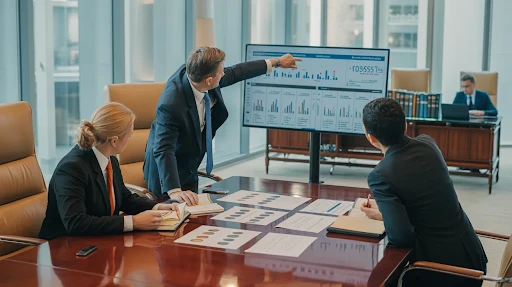
In serious litigation, jury research services help legal teams find out how a case is actually landing before the real jury ever hears it. That is the value. Not theory. Not guesswork. Not just another layer of trial prep.
A case can look strong inside the war room and still miss the mark once ordinary people start reacting to it. Good research catches that gap early, while there is still time to fix it.
That matters more than most teams want to admit.
The Problem Usually Is Not a Lack of Facts
Most trial teams do not lose control of a case because they have no evidence. The usual problem is different. They have too much material, too many moving parts, and too much confidence that the audience will connect the dots the same way they do.
That rarely happens on its own.
Jurors do not come into a case with the same vocabulary, patience, or assumptions as the lawyers. They are hearing the dispute cold. If the story is too dense, too technical, or too fractured, they start simplifying it in their own heads. Once that happens, the team may be arguing one case while the audience is quietly deciding another.
That is why jury research services matter so much in complex litigation. They show where the case is clean, where it is muddy, and where the message sounds persuasive only to the people who have been living with the file for months.
Mock Feedback Changes the Way Strong Cases Are Built
Lawyers often know when a case is weak. What is harder to spot is when a strong case is being explained badly.
That is where mock trials and focus groups come in. They let a team test case themes, witness impact, and argument structure before trial locks everything into place. A good session can show what people think “really happened,” which sounds simple but often turns out to be the most important question in the room.
Sometimes the surprise is big. The point the lawyers thought would carry the case may not matter much to mock jurors. A witness the team saw as reliable may come off stiff or defensive. A timeline may be clearer than a stack of documents. Or a seemingly minor phrase may end up being the one line people actually remember.
That is useful information. It is also much cheaper to learn in a research setting than in a courtroom.
Jury Research Helps Trial Teams Test More Than Liability
One mistake people make is treating research as something mainly for liability storylines. In reality, it often does just as much work on damages, witness communication, and case valuation.
That is why damage assessment surveys can be so important early in a dispute. They give the legal team a more realistic view of what people in a specific venue may do with pain and suffering, emotional distress, economic losses, and broader responsibility themes.
A good survey does not predict the future with perfect precision, but it does give the team something better than instinct.
It gives them a range grounded in audience reaction.
That can affect settlement posture, risk analysis, and how the damages story gets framed from the start. It can also keep a team from building a number around assumptions the venue may not share.
Visual Testing Matters Too, Not Just Verbal Testing
This is where the Legal Animation side naturally comes in.
Sometimes the case problem is not the theme itself. The problem is that people cannot picture what the lawyers are talking about. In those situations, legal animation services can become part of the research process, not just part of the final trial presentation.
A visual sequence, injury explanation, or process model can be tested in a mock setting to see whether it actually improves comprehension or just adds more material.
That is a useful distinction.
A graphic or animation that looks impressive in a prep room may still confuse viewers if it is rushed, too dense, or disconnected from the point it is supposed to support. Research helps catch that. It shows whether the visual is clarifying the argument or competing with it.
That is one reason visual strategy belongs earlier in case development than many teams assume.
Juror Profiling Is About Patterns, Not Stereotypes
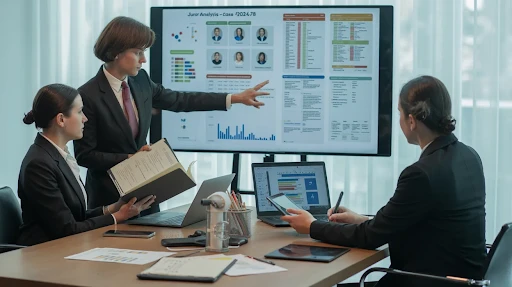
The better juror profiling surveys are not built around lazy assumptions about who will like which case. They are built around measurable reactions to facts, themes, and attitudes.
That is what makes them useful.
A strong survey can help identify which life experiences, outlooks, or risk attitudes tend to track with plaintiff or defense leanings in a specific dispute. In some cases, anti-corporate sentiment may matter.
In others, safety attitudes, personal medical history, or views about accountability may shape how the case is heard. The point is not to turn people into caricatures. The point is to understand which patterns are doing real work.
That kind of insight helps shape voir dire, questionnaire design, and strike decisions later on. It also gives the team a better idea of which parts of the case are likely to resonate and which parts may need a different framing.
Some Cases Need More Than a Summary Presentation
There are disputes where a short narrative test is enough. Then there are cases where a summary format leaves too much hidden.
That is why some teams use mock bench trials and arbitrations when they need to see how a more formal presentation lands with decision-makers who think differently from lay jurors. The same broad issue comes up in both settings. Does the case hold together when someone hears it with fresh ears and no internal loyalty to the theory?
That question is especially important in medically dense injury files.
For example, when a case turns on body mechanics, treatment sequence, or long-term physical effect, personal injury animation services can be tested in research sessions to see whether they actually help viewers follow the causal chain. Sometimes they do. Sometimes they reveal that the explanation still needs work.
That is exactly the kind of thing trial teams should learn before the real hearing begins.
Research Is Often the First Honest Look at Witness Impact
Witness prep tends to improve once a team sees how the witness is really being received.
A lawyer may know the expert is smart and technically right. That still does not answer the question jurors are silently asking: do I trust this person enough to follow them? Research helps surface that problem before it hardens into trial damage.
This becomes even more sensitive in treatment and standard-of-care disputes. In those matters, medical malpractice animation services may support the explanation, but they cannot save a witness who sounds evasive, too polished, or hard to follow.
Research often shows that quickly. It also shows where a witness needs plainer language, shorter answers, or a tighter connection between testimony and visuals.
That kind of adjustment can change the whole feel of a case.
The Best Research Usually Produces Better Questions, Not Just Better Confidence
A lot of teams go into a mock exercise hoping to come out reassured. That is understandable, but it is not really the point.
The best research often sends the team back with sharper questions.
Which issue still feels unresolved?
What part of the narrative sounds forced?
What are viewers struggling to picture?
Which facts matter less than expected?
Where is the case of overexplaining one thing and underexplaining another?
Those questions are where progress happens.
And in cases involving movement, timing, impact, or roadway sequence, that process may also show the need for accident reconstruction animation services later in the presentation strategy. Not because every transportation case needs animation, but because some event sequences are simply too hard to absorb from testimony alone.
When Trial Teams Should Use Jury Research, Not Just Talk About It
Most teams wait too long.
They tell themselves they will test the case once the theme is tighter, once the witness outlines are cleaner, once discovery settles down a bit. Then trial gets closer, the story hardens, and suddenly nobody wants to touch the framing because too much has already been built around it.
That is usually the problem.
The best use of jury research services is not at the end, when everyone is looking for reassurance. It is earlier, when the team still has room to change its mind. That is when the work can actually shape the case instead of just commenting on it.
A mock session at the right stage can expose things that would otherwise stay hidden. Maybe the case theory makes sense to lawyers but not to regular people. Maybe the facts are fine, but the order is wrong. Maybe the theme sounds polished and forgettable at the same time. Those are not small issues. They decide what people carry with them once the presentation ends.
Venue Changes the Way the Same Case Is Heard
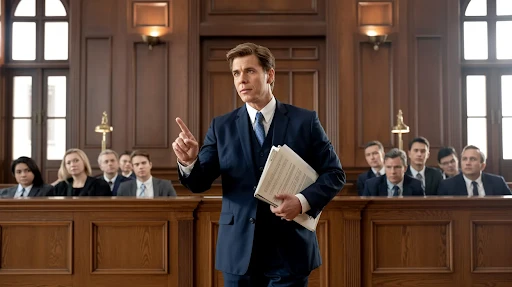
Lawyers know this in the abstract. Research makes them deal with it in concrete terms.
A damages story that feels acceptable in one place can sound inflated somewhere else. A liability argument that feels obvious in a plaintiff-friendly venue may get a colder reception in a more cautious jurisdiction. The same words do not travel the same way everywhere.
That is why venue-specific work matters. Not because it gives a magic formula, but because it cuts down the fantasy. It forces the team to stop talking about “what jurors think” as if jurors are one big interchangeable group.
They are not.
This is also where visuals need to be tested honestly. A set of trial graphics may look sharp in prep and still do very little once fresh eyes are on it. People may skim past the point, get hung up on the wrong detail, or simply feel overloaded. That is worth learning early.
A legal team should never assume a visual is helping just because it took time to build.
Witnesses Almost Never Come Across Exactly the Way Counsel Expects
This is one of the more painful things research can reveal.
A witness the team likes may sound stiff. A careful expert may come off condescending. A smart corporate representative may sound guarded in a way jurors read as evasive. None of those people has to be dishonest to create trouble. They just have to be hard to connect with.
That matters because jurors do not separate delivery from substance as neatly as lawyers do.
This is where a good jury consultant earns real trust. Not by offering vague advice about body language or “being more relatable.” The useful feedback is much more specific than that. Shorten this answer. Stop using that phrase. Explain the point before naming the terminology. Slow down here. Do not fight the question. Stay with the visual. Leave the flourish out.
Small changes like that can completely alter how a witness is received.
Frequently Asked Questions
What Are Jury Research Services?
Jury research services are pre-trial tools used to test how people react to a case. They can include mock trials, focus groups, damages testing, and juror profiling work.
When Should Lawyers Use Jury Research Services?
Usually earlier than they think. The work is most useful while the team still has room to revise themes, witness prep, damages framing, and presentation choices.
Do Jury Research Services Help With Settlement Decisions?
Yes. They often help narrow uncertainty around risk, damages, and audience reaction, which can affect how a team approaches negotiation and valuation.
Can Jury Research Services Improve Witness Preparation?
Yes. They often reveal whether a witness sounds clear, trustworthy, defensive, too technical, or simply hard to follow.
Do Jury Research Services Help Test Visuals Too?
Yes. They can show whether a graphic or animation is actually helping people understand the case or just adding more material to process.
Final Words
Jury research services matter because trial teams are often too close to their own case to hear where the message is breaking down. Good research tests the story before the real audience does.
It shows where the theme is clear, where damages feel credible, where witnesses are helping or hurting, and where visuals actually improve understanding. That is what makes the work useful. It reduces avoidable surprises.
Related Articles: