
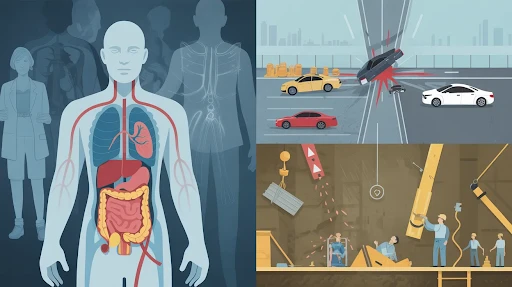
Some types of cases are hard to explain because the main point is not easy to show with words. A crash happens in seconds. A medical mistake happens inside the body. A machine breaks in a way people cannot see from the outside. A lawyer can explain all of this, but the jury may still be left thinking, “Okay, but what did it actually look like?”
That is where legal animation helps. It gives people a simple picture of what happened, so they do not have to guess.
1. Personal Injury Cases
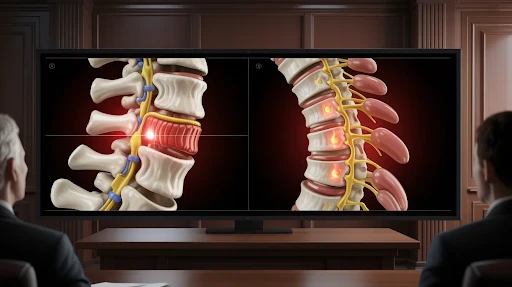
Personal injury cases often involve injuries that are real, painful, and life-changing, but still hard for a jury to picture.
Someone may claim to have a back injury, nerve discomfort, shoulder damage, or internal trauma. Those phrases may be true, but they may not necessarily describe the entire situation. The majority of jurors do not hold medical degrees. They may not understand how one fall, crash, or impact caused that injury.
This is where personal injury animation services can be useful. A simple animation can show how the body moved during the accident. It can show how the force went through the neck, back, knee, shoulder, or head. It can also help explain why the pain did not simply disappear after a few days.
This works best when the animation is calm and direct. No drama. No scary effects. Just a clear view of what happened.
Good legal animation for personal injury cases helps the jury understand the injury without making the case feel exaggerated.
2. Medical Malpractice Cases
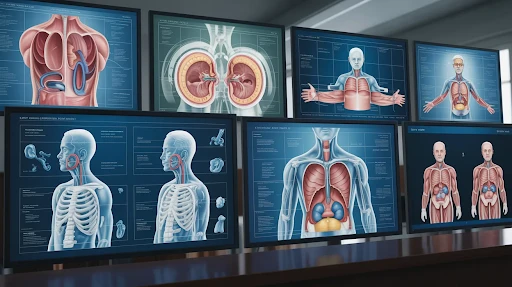
Medical malpractice cases can get confusing fast.
A doctor may have missed a warning sign. A surgery may have gone wrong. A patient may not have been treated soon enough. The issue may be one small moment in a long medical timeline, but that small moment may have changed everything.
The difficulty is that medical records are difficult to read. Even if an expert describes them, the jury may still have difficulty understanding the anatomy, timing, or therapeutic stages.
That is why medical malpractice animation services can help. Medical animation for malpractice lawsuits can show the body part involved, the procedure, the missed step, or the injury that followed.
For example, instead of just hearing about a damaged artery, the jury may see where it is and how it affects the patient. Instead of hearing a lengthy explanation for the delayed treatment, people may observe what happened initially, what should have happened next, and what changed as a result of the delay.
The animation does not replace the expert. It simply makes expert witness testimony easier to follow.
3. Vehicle and Truck Accident Cases
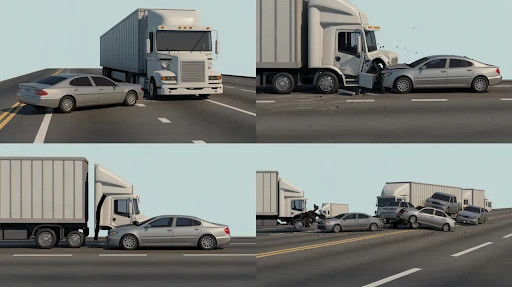
Road accidents are often about timing.
A few seconds can decide the whole case. Who had time to stop? Who changed lanes? What could the driver see? Where did the impact happen? Did the truck need more distance to brake? These are simple questions, but they are not always simple to explain.
Photos show the damage after the crash. They do not show the crash happening.
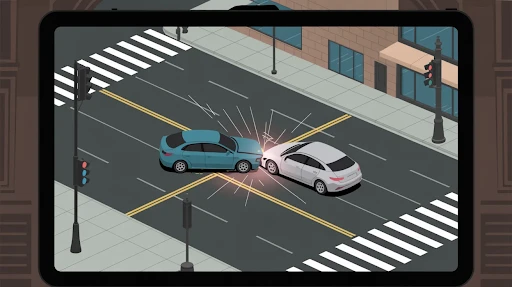
That is where accident reconstruction animation for trial becomes helpful. A graphic depicts the movement of automobiles, trucks, motorbikes, buses, or people. It displays the route, lane position, speed, braking, and point of collision.
This kind of trial animation must be based on real evidence. That may include police reports, photos, measurements, vehicle damage, dashcam footage, or expert analysis. If the animation guesses too much, it can hurt the case.
When done carefully, accident reconstruction animation services help the jury understand the accident step by step.
4. Product Liability Cases
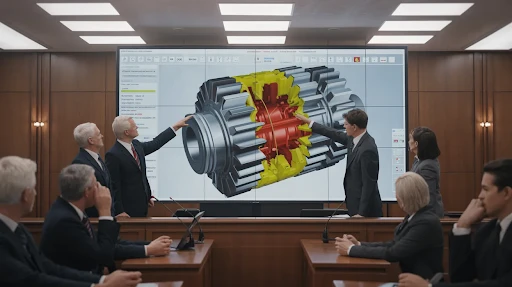
Product liability cases often involve something hidden.
A machine part may fail. A guard may be missing. A medical device may break. A tool may be unsafe. A warning label may not explain the danger clearly enough. The jury may look at the product and still not understand what went wrong.
Animation for product liability litigation can make the failure easier to see. It can show how the product was supposed to work, where the defect was, and how that defect caused harm.
For example, an animation may show a machine pulling a hand into a dangerous area. It may show how a part cracked under pressure. It may show how a design choice made the product unsafe during normal use.
This is helpful because product cases can become full of engineering terms. A simple visual helps non-expert people follow the point without needing technical training.
The goal is not to make the product look worse than it was. The goal is to show the problem clearly and fairly.
5. Workplace and Construction Injury Cases
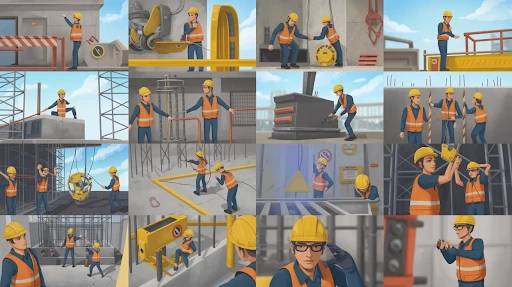
Workplace injury cases often depend on where everyone was standing and what they could see.
A worker may fall from a ladder. A forklift may hit someone. A scaffold may collapse. A machine may trap a hand. A crane may swing into the wrong area. To understand the case, the jury needs to understand the scene.
A courtroom animation company can help show the worksite in a simple way. The animation can show the worker’s position, the equipment, the hazard, and the movement that led to the injury.
This is helpful when both sides disagree about fault. One side may say the worker should have avoided the danger. The other side may say the danger was not visible or that safety rules were not followed. Courtroom visuals can make that argument easier to understand.
The best workplace animations feel like a walk-through. They do not need to look like a movie. They only need to show the space, the danger, and the sequence.
6. Patent, Technology, and Engineering Cases
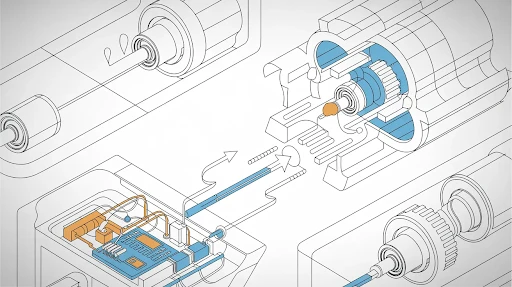
Legal animation is not only for injury cases.
Some cases involve patents, software, machines, systems, designs, or technical processes. These cases can be hard because the subject itself is hard. A judge or jury may need a basic picture before they can understand the legal argument.
A simple visual can show how a machine works, how a software process moves from one step to another, or how two designs are different. This is where courtroom visuals for complex legal cases can be very useful.
In a patent case, for example, the animation may show how an invention works. In an engineering case, it may show how a system failed. In a technology case, it may show a process that would be hard to explain with only text and diagrams.
This kind of legal animation must be accurate. It should not change the meaning of the technology just to make it easier to watch. A simple visual is good. A misleading visual is not.
7. Wrongful Death and Catastrophic Injury Cases
Wrongful death and catastrophic injury cases are already emotional. They do not need visuals that push too hard.
What they often need is order.
These cases may involve the accident, emergency care, surgery, recovery, future treatment, lost independence, family impact, and long-term damages. If all of that is explained only through documents, the jury may not see how the pieces connect.
This is where demonstrative evidence services can help. A timeline can show how events unfolded. Medical visuals can show the injury. Litigation graphics can show future care needs. Legal demonstratives can help explain how one event changed a person’s life.
The goal is not to make people emotional. The goal is to help them understand the full story without getting lost.
A short event can create years of consequences. A clear visual can help the jury understand that.
Frequently Asked Questions
What Types of Cases Need Legal Animation?
Cases involving crashes, injuries, medical issues, product failures, workplace accidents, technology, or long-term damages often benefit from legal animation.
Is Legal Animation Only for Personal Injury Cases?
No. It can also help in medical malpractice, product liability, workplace injury, patent, technology, and engineering cases.
Can Legal Animation Be Used in Court?
Yes. Legal animation can be used in court when it is accurate, fair, and based on real evidence.
Does Legal Animation Replace Expert Testimony?
No. The expert still explains the opinion. The animation only helps the jury see what the expert is talking about.
When Should Lawyers Start Planning Legal Animation?
Lawyers should start early. Animation needs records, expert review, legal feedback, and time for changes.
Final Words
Some types of cases benefit from legal animation since the facts are difficult to describe using words alone. Personal injury, medical malpractice, car accidents, product liability, workplace injuries, technological conflicts, and major damage situations may all be clarified using simple graphics.
Legal animation does not replace records, witnesses, or expert opinions. It helps people understand them better.
Related Articles: