
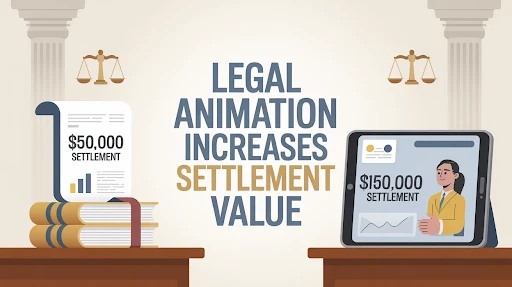
Legal animation can increase your settlement value when it helps the other side see the case more clearly. Settlement is not only about who is right. It is also about risk. If the defense, insurer, or mediator can understand how the injury happened, how bad the damage is, and how a jury may react, the case becomes harder to undervalue.
Legal animation does not create value out of thin air. It helps show the value that is already there.
Settlement Talks Are About Risk
Most cases settle because both sides want to avoid the risk of trial.
The defense may ask, “What will a jury believe?” The insurer may ask, “How bad could this get?” The mediator may ask, “Can this injury be explained in a way that feels clear?”
If your case is hard to picture, the other side may feel safer fighting it. That can lower the offer.
A visual change that. It can show the crash, the medical injury, the mistake, the product failure, or the long-term damage in a way that people understand faster.
That is why legal animation for settlement negotiations can be useful. It makes the risk easier to see.
Words Alone Can Leave Gaps
Some facts are hard to explain with words.
A lawyer may say, “The impact caused a spinal injury.” That may be true, but the listener may not understand how. A doctor may explain nerve pressure. An expert may explain vehicle movement. Still, without a visual, the point can feel distant.
A courtroom animation company can help turn that hard point into a clear visual. The goal is not to make the case look dramatic. The goal is to make it easier to understand.
This matters during settlement because the other side is judging how the case may look at trial. If your evidence looks clear, the risk feels more real.
Visuals Help the Mediator Understand the Case Faster
A mediator may not know every detail of the case.
They may have read briefs, reports, and records, but they are often working with limited time. If the case has a difficult injury or a disputed accident sequence, a visual can help them understand the issue much faster.
A short animation can show how the accident happened. A medical visual can show the injury. A timeline can show how treatment continued after the event.
This helps the mediator explain your position to the other side. That can matter. A mediator who understands the injury clearly can often push the discussion in a more serious direction.
Personal Injury Cases Often Need a Visual Link
In personal injury cases, the defense often questions the connection between the accident and the injury.
They may say the crash was too minor. They may say the pain came from an old condition. They may say the medical treatment was not related.
This is where personal injury animation services can help.
A simple animation can show how the body moved during impact. It can show how force affected the neck, spine, shoulder, knee, or head. It can also show why pain may continue after the accident.
This type of visual can support an injury settlement demand because it makes the medical link easier to follow. Instead of asking the other side to imagine the injury, you show them the reason behind it.
Legal Animation Makes Damages Feel Less Abstract
Damages are not just numbers.
They are pain, treatment, lost movement, missed work, future care, and changes in daily life. But when damages are shown only through bills and records, they can feel flat.
Legal animation can help make the damages story clearer.
For example, a medical animation may show why a person needs surgery. A timeline may show months of treatment. A simple body movement visual may show why the person can no longer bend, lift, walk, or work the same way.
This does not replace the records. It makes the records easier to understand.
That is how animation helps settlement value. It gives the other side a better picture of what the injury really means.
Medical Cases Need the Steps in Order
Medical malpractice cases can be hard to settle when the medical issue is confusing.
A case may involve a missed diagnosis, delayed treatment, a surgical mistake, or poor monitoring. These cases often depend on order.
What should have happened?
What happened instead?
How did the patient get worse?
If the defense thinks the jury will not understand the medical issue, they may feel safer going to trial. A clear visual can change that.
Medical malpractice animation services can show the body part, the treatment step, and the point where the problem began. The animation should stay calm. It should not scare people or make the provider look bad through effects. It should simply explain the medical issue in a way that regular people can follow.
Accident Cases Often Turn on a Few Seconds
Many accident cases depend on timing.
Who had the right of way?
Who could see the danger?
Who had time to stop?
Where did the impact happen?
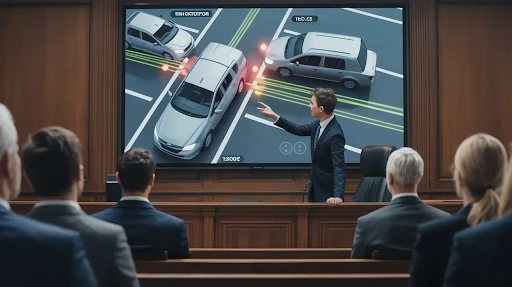
Photos may show the damage after the crash, but they do not always show how the crash unfolded. That is where accident reconstruction animation services can help.
A crash animation can show vehicle movement, braking, lane position, visibility, and point of impact. This can be very useful in truck crashes, motorcycle accidents, pedestrian cases, and multi-vehicle collisions.
The animation should be based on real evidence and expert review. If it guesses too much, it can hurt the case. If it follows the evidence, it can make the liability dispute much easier to understand.
A Strong Visual Can Change the Tone of Negotiation
Sometimes, the other side does not take a case seriously because the presentation feels unclear.
Then they see the animation.
They see how the crash happened. They see why the injury makes sense. They see how the medical issue may look to a jury. That can change the tone of the room.
It does not mean they will suddenly agree with everything. But it can make them more careful. It can make them think harder before refusing a fair number.
Visual evidence for settlement talks works best when it is simple, accurate, and tied to the case record. The point is not to impress. The point is to make the risk obvious.
Demonstratives Keep the Story Organized
A settlement presentation does not need one huge video.
That can be too much.
It is often better to use a few clear visuals, each with one job. One visual can show the accident. Another can show the injury. A timeline can show treatment. A chart can show future care or lost income.
That is where demonstrative evidence services can help. Good demonstratives make the story easier to follow. They help the other side see how the facts connect.
A clean presentation can make the case feel stronger because it feels prepared. It shows that the legal team knows how to explain the difficult parts.
Legal Animation Shows Preparation
A strong visual also sends a message.
It shows the other side that the case is being prepared seriously. It shows that the legal team is ready to explain the case to a jury if a settlement fails.
That matters.
Settlement offers often reflect how ready each side is for trial. A clear animation can make the defense think, “This case may be easier for a jury to understand than we thought.”
That can put pressure on the settlement discussion.
Frequently Asked Questions
Can Legal Animation Really Increase Settlement Value?
Yes, it can help in the right case. Legal animation may increase settlement value by making liability, injuries, damages, and trial risk easier to understand.
When Should Lawyers Use Legal Animation in Settlement Talks?
Lawyers should use it when the case has facts that are hard to explain with words, photos, or records alone.
Does Legal Animation Replace Expert Testimony?
No. The expert still explains the opinion. The animation helps others see what the expert is explaining.
What Types of Cases Benefit Most From Legal Animation?
Cases involving serious injuries, crashes, medical mistakes, product failures, workplace accidents, and long-term damages often benefit the most.
Should Legal Animation Be Used in Mediation?
Yes, it can be useful in mediation when it helps the mediator and the other side understand the risk, injury, or damages more clearly.
Related Articles: